HockeyStack Raises $50M to Build Revenue Agents for the Enterprise

Know What Converts

Paid is working —
until the week
it doesn't.

You've spent three years buying impressions and still can't explain which message makes your consumer decide to buy. AMS runs 295 live experiments. Your market tells you.

Professional woman representing a Digicon AMS account review session

AMS Intelligence Engine — Week 3

  • • 295 variants live across 4 channels
  • • Micro ICP #3 completing at 94% rate
  • • Format DNA lock: Hook Type B confirmed
  • • Paid brief updated from organic signal
Trusted By Leading B2B Revenue Teams
GitHub
Harvey
Firstup
DataRobot
Justworks
Rakuten
Mimecast
Forcepoint
StackAdapt
RingCentral
Tipalti
Mastercard
Sumo Logic
Dice
Outreach
AppsFlyer
Yext
ActiveCampaign
8x8
GitHub
Harvey
Firstup
DataRobot
Justworks
Rakuten
Mimecast
Forcepoint
StackAdapt
RingCentral
Tipalti
Mastercard
Sumo Logic
Dice
Outreach
AppsFlyer
Yext
ActiveCampaign
8x8
The Problem

Your ad strategy today looks like a new creative batch, a two-week spike, a dashboard full of fatigue signals, and a brief meeting to figure out why this week's version is not working. New variants ship. The spike resets. Nothing compounds.

The strategy they run

New creative batchShipped
2-week spike▲ CTR
Fatigue signals detected⚠ CAC up
Brief meetingReset ↺

What AMS compounds

Variant shippedHook Type B
Market signal read94% completion — Micro ICP #3
Format DNA lockedHook B confirmed
Always-on baselineCompounds ↑
Every CAC increase is the category handing you a bill for the creative intelligence you have not built yet.
What We Do
1

Every variant your brand has shipped gets structured into a single model.

Hook type, format ID, Micro ICP target, and the signal shape the market returned. Every retention curve, completion signal, and comment pattern — in the exact sequence it ran.
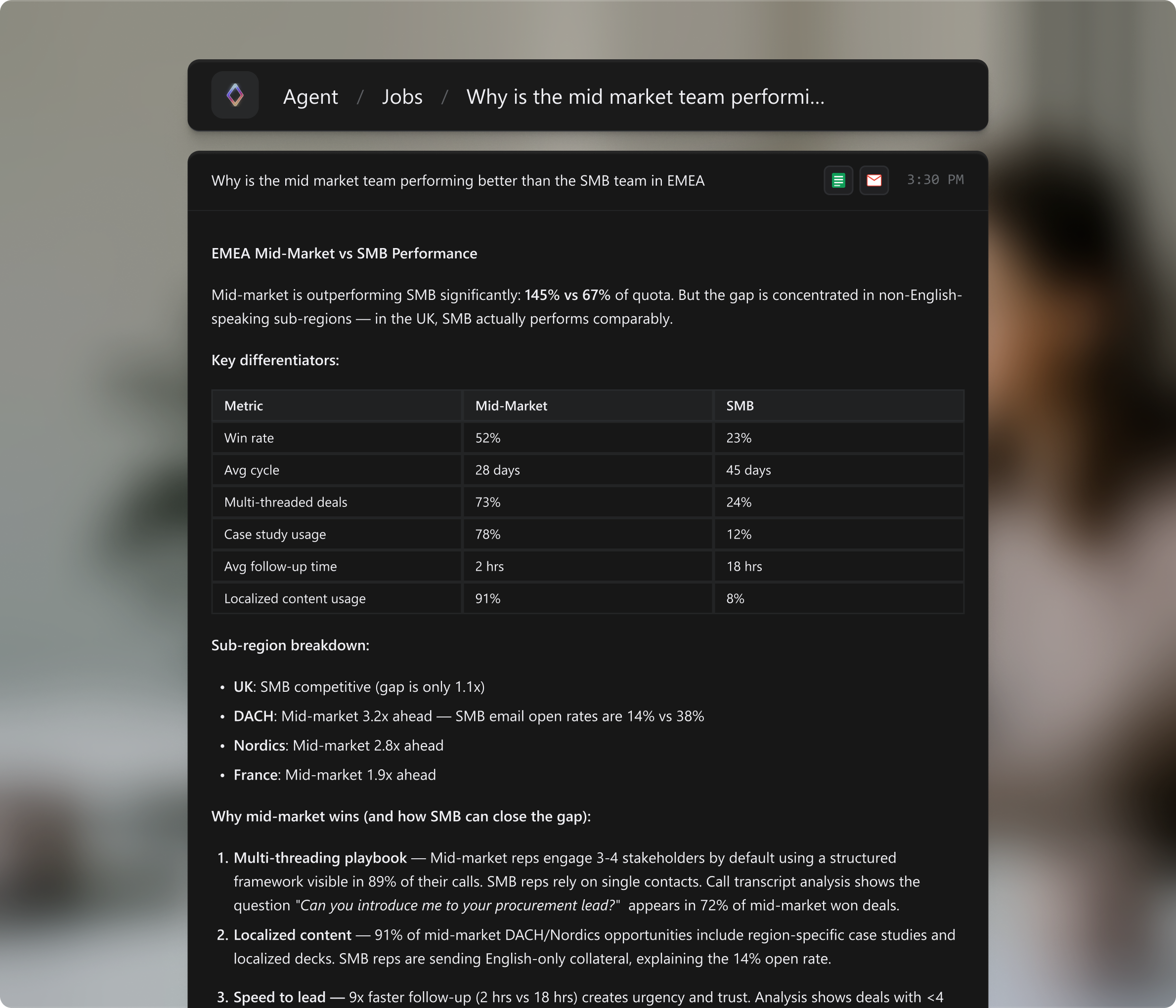
Variant intelligence model
2

Your winning content patterns get reverse-engineered. Which formats your buyers complete, when, and why.

Broken down by Micro ICP and creative structure. The playbook is encoded before paid spend restarts — no brief meeting required.
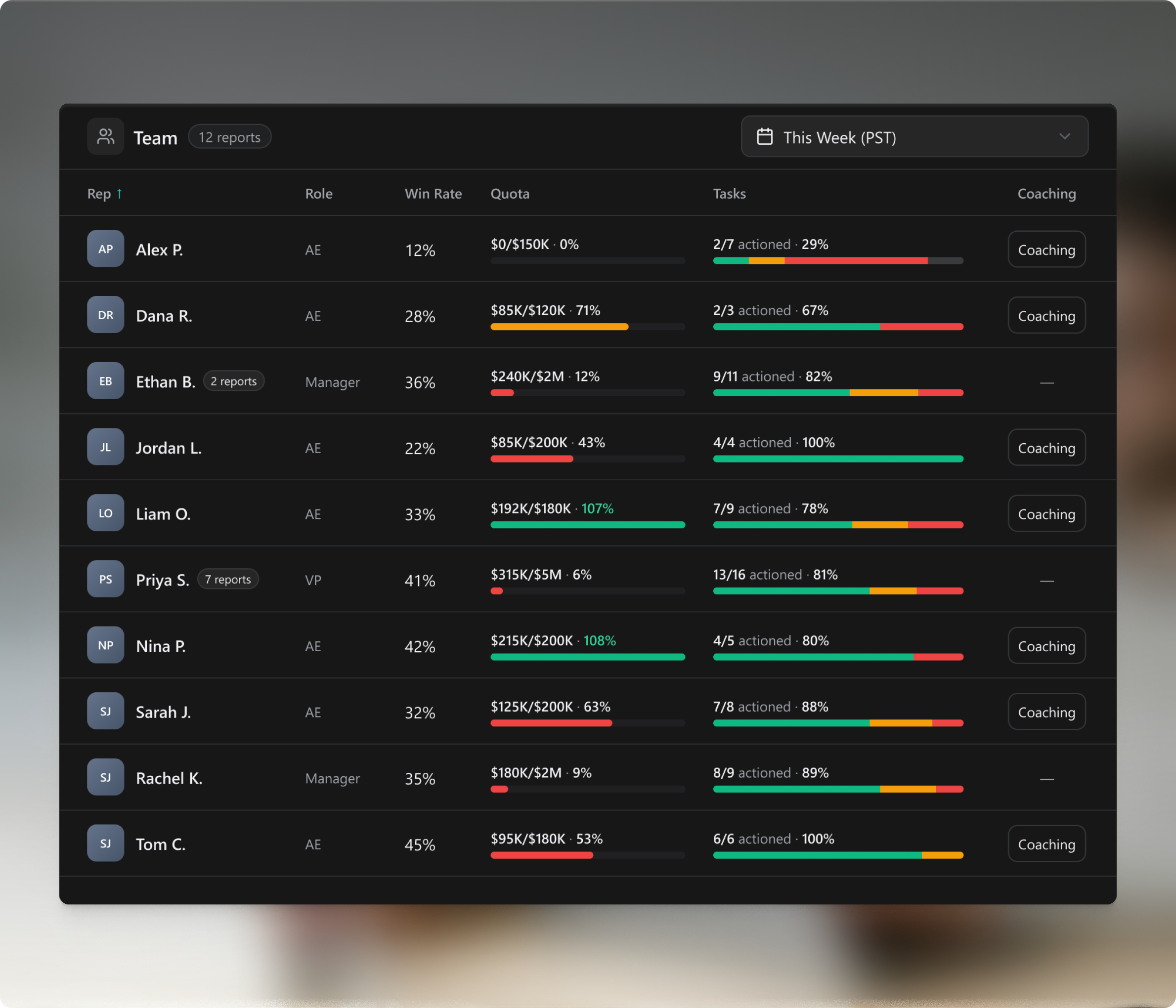
Winning pattern analytics
3

Your production operator sees exactly what to build.

Which hooks are compounding, which formats the Intelligence Engine has validated, which Micro ICPs need more coverage. The brief adapts as the signal reads.
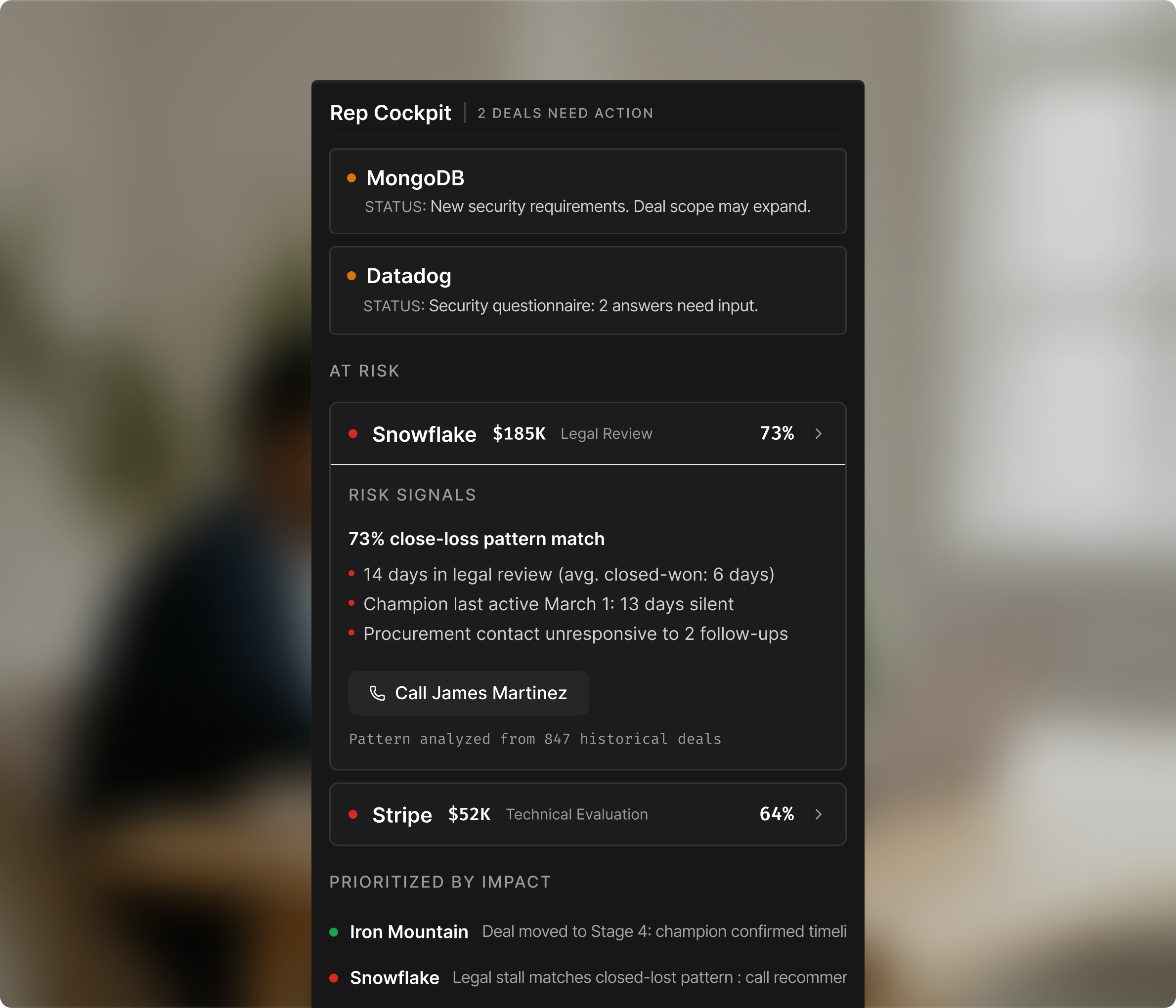
Production operator view

Here's the CAC cost calculator:

Monthly paid spend$50k
Current blended CAC$45
Months to project6 months

CAC without AMS baseline

$71

With AMS always-on baseline

$31

saved per acquisition

That's 909 more customers per month at the same spend.

The Outcome

What the Spike Treadmill is Costing You Today

Every month without an always-on organic baseline comes with a hidden invoice: full paid spend, rising CAC, and a creative playbook that resets instead of compounds. This is what that invoice looks like for your brand.

Case Studies

How AMS Scale your brand.

CASE STUDY 01

First-Party Signal Builder

DTC Beauty Brand

CASE STUDY 01First-Party Signal Builder

How a Beauty Brand Discovered the Audience They Had Been Missing

Problem

They were scaling spend on the wrong consumer. Their best buyer had never appeared in a brief they’d written.

Result

AMS surfaced a missed micro-segment in Week 3. Format DNA locked. Paid targeting rebuilt from organic signal.

Read case study

CASE STUDY 02

Over-Indexed Scaler

DTC Inner Beauty Brand

CASE STUDY 02Over-Indexed Scaler

How a DTC Skincare Brand Replaced Rising CAC with an Always-On Baseline

Problem

CAC was climbing every quarter. Each month reset with a new paid push and nothing compounding underneath.

Result

AMS built an always-on organic baseline. Winning formats validated. Paid shifted to amplifying signal — not funding guesses.

Read case study

CASE STUDY 03

Market Launch Preparer

Korean Consumer Brand

CASE STUDY 03Market Launch Preparer

How a Korean Consumer Brand Arrived at the New Market Already Known

Problem

They entered a new market cold. No local audience, no format signal, no proof of demand.

Result

Three winning formats locked by day 30. The brand walked into retail conversations with data.

Read case study

CASE STUDY 04

Retail Gate Opener

Supplement Brand

CASE STUDY 04Retail Gate Opener

How a Supplement Brand Converted Retail Conversations with Organic Due Diligence Evidence

Problem

Retail buyers asked for proof of consumer demand. The brand had sales — but no signal they could present.

Result

Six months of compounding organic content. Buyer meetings changed from pitch to proof.

Read case study
FAQ

Frequently Asked Questions

AMS produces short-form video at scale and reads the consumer intelligence they generate — in the same monthly motion. Two engines. One system.

The Production Engine ships 200–500 short-form variants every month — produced, published, live across every channel in your strategy. The Intelligence Engine reads what the market finished, detects your Micro ICPs, validates the formats that convert, and rewrites next month's brief from signal.

Format DNA is the locked model of what content shapes your market rewards — built from every variant AMS has shipped and validated against real signal. Built by reading retention curves, comment patterns, and belief signals, then locking winners and retiring losers.

Most content agencies ship 30 to 50 videos a month. Creative is directional. The agency owns the working files. Every new campaign restarts from a brief meeting.

AMS ships 200 to 500 unique variants a month. Creative is systematic. The brand owns the Element Library. Every new month starts from last month's validated playbook — not a blank page.

Many brands have tried to build parts of it internally. Most internal builds focus on narrow use cases — a content calendar, a UGC brief, a monthly social posting schedule.

To do what AMS does you would need Format DNA locking, an Element Library that compounds, a full script-to-publish pipeline, and an Intelligence Engine that reads Micro ICPs from signal rather than survey.

We estimate that is 18 to 24 months to build at the quality that makes it compound — and the production infrastructure cost alone would exceed what you would spend on AMS.

The deeper gap: internal builds do not carry cross-brand intelligence from hundreds of campaigns, and they do not have the variant volume to validate a format in 30 days.

Week 2: first variants are live. Week 4: first Intelligence Engine read — which hooks are completing, which Micro ICPs are surfacing, which formats are compounding. Month 3: a validated creative playbook. Month 6: the Element Library is a category asset. Cost per validated format is measurably lower than Month 1. The always-on baseline is the default.

The system adapts. Format DNA refreshes when a new SKU or market enters the motion. The Element Library carries validated elements from prior months — so the new SKU starts from the brand's compounded intelligence.

Week 0: brand materials, ICP hypotheses. Week 1: Format DNA locked. AMS does not need a brief, a content calendar, or an existing playbook — if you had those, you would not need AMS.

100% IP ownership from day one. Every variant, every Element Library entry, every piece of Format DNA — yours. The engagement letter is contractually explicit. AMS runs the system; the outputs belong to the brand. Your consumer intelligence never leaves your ownership.

Hook. Attention. Scale.

One element library. One format model. Every challenger brand.

AMS (AI Media Scaling) is the media-and-intelligence system inside Digicon. AMS runs one motion with two engines: a Production Engine that ships 200 to 500 short-form video variants per month, and an Intelligence Engine that detects the brand's Micro ICPs, validates winning formats, and returns a sharper creative brief every four weeks. AMS is built for Direct to Consumer brands preparing for launch, scaling past a paid-media ceiling, or opening retail gates. Korea-rooted, category-native. Three-month minimum engagements; Month 1 is free with commitment.